Word and Trivia Games That Fit a Ten-Minute Break
By IPObrains Editorial 5 min read
Word puzzles, spelling games and quick quizzes that start fast, end cleanly and leave you a little sharper than the inbox you just escaped.
Ten minutes is an odd length of break. Too short for anything with a story, too long to spend refreshing the same news page. Word and trivia games fit it better than almost anything else, because a round has a natural end and your brain gets to work on something that isn't the report you've been staring at.
The catch is that plenty of word apps are built to keep you for an hour, with streaks, chests and a reason to open just one more level. The picks below are sorted by how cleanly they let you leave. Most are free browser games, so there's nothing to install on a work machine, and a few store games earn a mention because they do one thing well.
Word puzzles you can finish before the kettle
The quickest wins come from games where one board is one session.
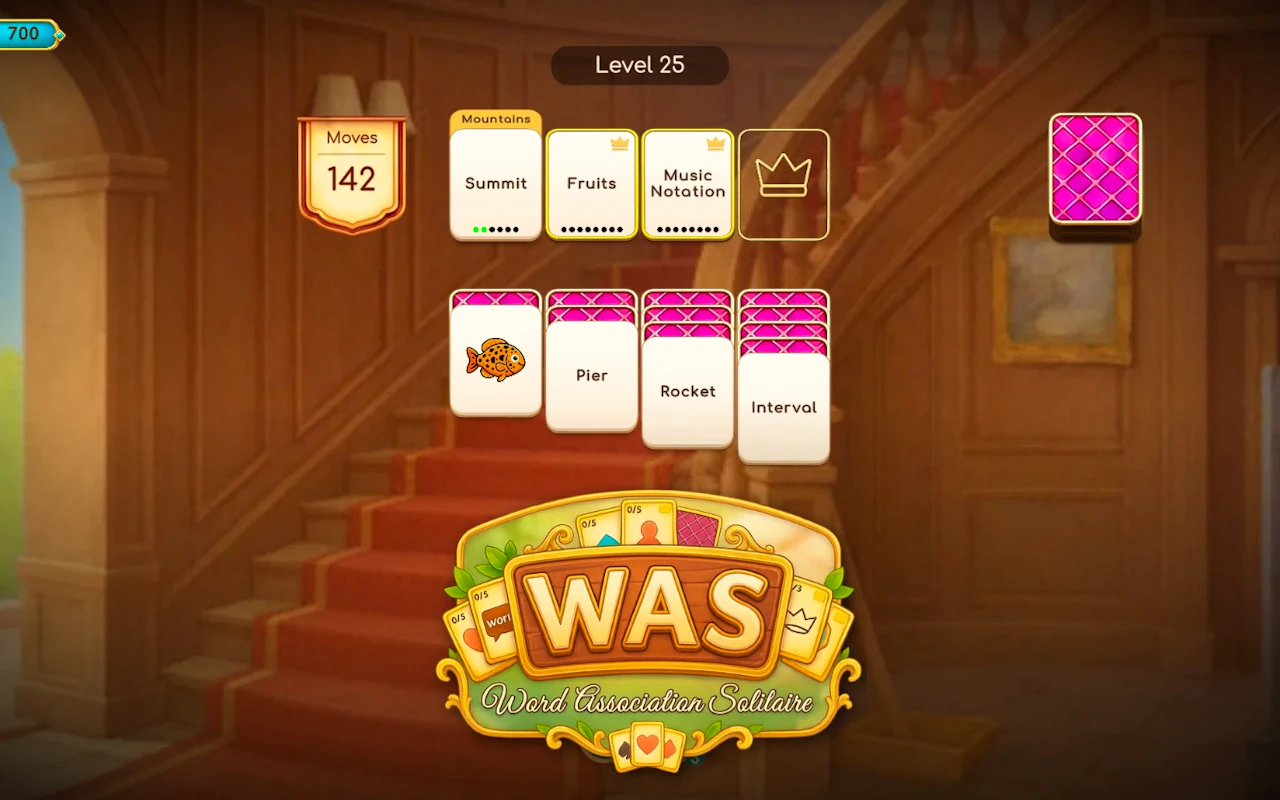
WAS Word Association Solitaire is my favourite way to spend a short break here. It crosses card solitaire with word links: you spot which words belong together, place them and empty the board. It's less about spelling and more about noticing connections, which is a nice change of gear after a morning of emails. It works on any screen, so a work laptop is fine.
Word Maker Game is the plain anagram option. You unscramble letters into real words, starting with three-letter puzzles and working up to harder ones. It sits in the junior section, but the later puzzles aren't babyish. It's a landscape game, so it's happier on a laptop than a phone.
Letter Legion dresses word-building up as an army of letters you rally into words. Same core skill, more theatrical framing, also landscape. Pick it if plain anagrams feel too much like homework.
Spelling with a beat
Spell to the Beats is the odd one out and probably the most fun. You spell words in time with the music and try to keep the streak alive. It turns spelling from a quiet, careful thing into a rhythm game, which is either delightful or stressful depending on how your brain is wired. Skip it in an open-plan office unless you've got headphones.
Quick quizzes that don't overstay
Trivia is the other half of the break-time shelf. The good ones ask a question, tell you if you were right and move on.
Flag Rush is a flag quiz run as a race: see a flag, pick the country, keep the streak going. It's aimed at kids and curious adults, and the curious adults tend to discover they've been confusing several flags for years. It runs on any device.
Where is - Multiplayer turns geography into a duel. You race friends to pinpoint countries on the map, so accuracy and speed both count. It's a good one to send round the team chat at 3pm, when everyone's attention has gone soft anyway.
Awareness Game - The Robot Bar is trivia about what you just watched. A short clip plays in a robot nightclub, then you answer questions on it. Details slip away fast, so it's really an attention test wearing a quiz costume. It reads best in landscape.
Store word games for the commute home
If you'd rather have something on your phone for the train, a few store games are worth the install. Read the notes before you commit, because these are built to bring you back.
Word Guess - Word Games is the stripped-down version of the six-guess daily-word format. It's free, rated 4.7, and its colours run grey for absent, orange for misplaced and green for correct. As far as its listing goes there are no extra modes, stats or multiplayer. That's a feature if all you want is the puzzle.
Ruzzle is a two-minute word-finding duel on a shared letter grid, free with a 4.2 rating. A match is three rounds and you play each one whenever you like, so it works across several breaks. It supports 14 languages, which is handy if you're learning one.
Connect Word Association Game is the phone cousin of the solitaire game above: sort a jumble of words into groups that share a theme or meaning. It's free, rated 4.7, and its pace is relaxed. Later levels scatter related words across the board, so it does get harder.
For trivia on the phone, People Say - Trivia Quiz game has a twist I like. You don't guess the right answer, you guess the five answers other players gave most often. It's free with a 4.8 rating, and it's built for a few rounds a day rather than long sessions. That's exactly the right attitude for a break.
Picking by what your brain needs
Different breaks call for different games, and it's worth being honest with yourself about which kind you're on.
- Tired and foggy: a quiz. Recognition is easier than recall, and flags or map questions give you quick wins.
- Restless after a long meeting: Spell to the Beats or a Ruzzle round. Something with a clock burns off the fidget.
- Want to think, not react: the association games. They reward a slower, sideways kind of attention.
- About to go back to writing: an anagram game. It warms up the part of your head you'll need next.
What to avoid on a short break
Word apps with energy bars and daily streaks are designed to make stopping feel like losing something. If a game nags you with a reward for coming back in an hour, it's working against your break, not with it. The browser games above don't keep score of your attendance, and closing the tab really does mean you're done.
Also avoid anything with long sessions baked in. A trivia maze of twenty-odd questions can be fun, but if you're always stopping halfway through, you'll end up feeling like you never finished anything, which is the opposite of what a break is for.
If ten minutes of words leaves you wanting a longer puzzle, the round-up of puzzle games for a lunch break has heavier options. For now, pick one, set a timer if you don't trust yourself, and go back to work with a fresher head than you left with.